
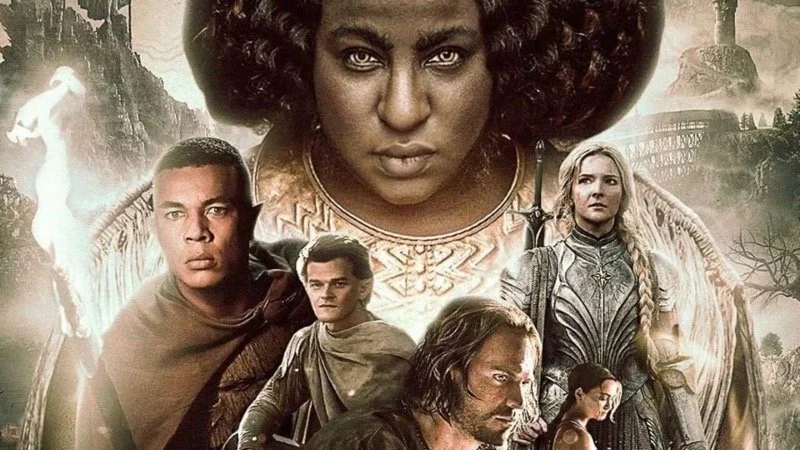
⭐ Henry Cavill • Morfydd Clark • Charles Dance • Robert Aramayo
🏹 Fantasy • Epic • Tragedy
The Silmarillion Brings Tolkien’s Darkest Legend to Life
The Silmarillion (2026) arrives as the most ambitious Tolkien adaptation ever filmed, transforming myth into cinematic mythmaking. Long before Frodo and the Fellowship, Middle-earth was shaped by pride, rebellion, and unbreakable oaths. Although the world feels younger and brighter, its beauty hides a festering doom. The Noldor, once beloved of the gods, choose exile, vengeance, and war over obedience. Because of this choice, generations suffer. Visually sweeping, emotionally devastating, and spiritually operatic, the film captures the tragedy at the heart of Tolkien’s earliest legends — showing how a single defiant vow reshapes history.
The Silmarillion and the Rise of Fëanor
At the center of The Silmarillion (2026) stands Fëanor, played with fierce magnetism by Henry Cavill. He is the greatest craftsman who ever lived, yet also the most dangerous. His creation of the Silmarils is celebrated as brilliance, but the gems curse his line forever. Furthermore, the film emphasizes how obsession corrodes even the brightest talents. Through shifting loyalties and intimate moments, viewers witness a soul that burns too violently for peace.
The Oath That Damns a People
Crucial to The Silmarillion (2026) is the oath Fëanor forces upon his sons — one forged in grief, anger, and pride. As a result, the Noldor seal themselves to destiny, doom, and rivalry. The film presents the oath not only as an act of rebellion but as a cosmic fracture. Once spoken, the words echo into eternity, setting forth wars, betrayals, and grievous losses that no victory can erase.
Alqualondë: The First Great Tragedy
The infamous Kinslaying at Alqualondë becomes one of the most haunting sequences of The Silmarillion (2026). White ships glitter beneath starlight as blades are drawn against kin. Because every frame is saturated with sorrow, the massacre lands with unforgettable weight. The sea becomes a witness, swallowing bodies, memories, and innocence. Consequently, audiences experience the moment where a noble people fall from grace and can never return.
Exile, Ice, and the Journey North
After the Kinslaying, The Silmarillion (2026) shifts tones from operatic grandeur to stark endurance. Driven from paradise, the Noldor trudge across ice fields and frozen wastes. Morfydd Clark embodies despair, resilience, and sorrow through Galadriel’s eyes. As the bitter crossing unfolds, hope flickers, but despair grows. Yet even in hardship, the fire of the Silmarils keeps them moving forward — a reminder of both purpose and curse.
Mandos Speaks the Truth of Doom
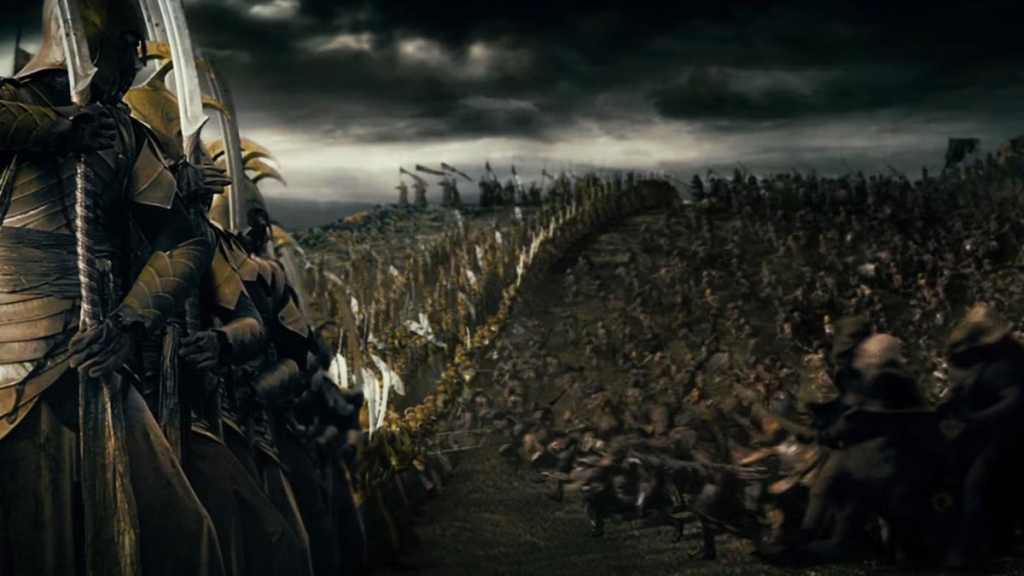
No adaptation of The Silmarillion (2026) can exist without Mandos’ chilling prophecy. Delivered with unnerving clarity by Charles Dance, the Doom confirms every fear. Never again shall the Noldor know peace. Although they march proudly into Middle-earth, they carry ruin concealed within their triumph. This moment ties myth to inevitability, ensuring tragedies yet unseen still loom over every future victory.
A Legend That Shapes Middle-earth
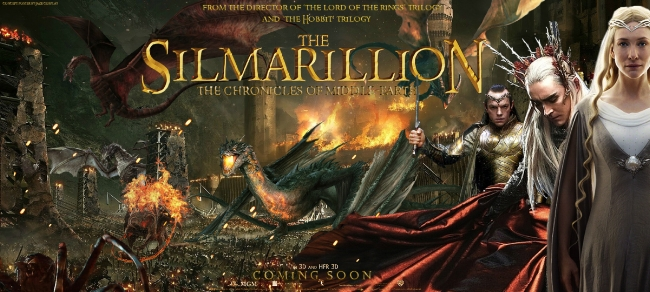
Ultimately, The Silmarillion (2026) demonstrates how ancient wounds shape every later tale. While viewers may remember hobbits and rings, this story explains why Middle-earth bleeds long before Sauron rises. The film links sacrifice to memory, grief to heroism, and pride to annihilation. Therefore, by the time the credits roll, audiences feel both awe and mourning. This is myth forged as cinema — bold, tragic, and unforgettable.
📅 Premiere Date
Worldwide theatrical debut — December 18, 2026
⭐ Rating
10/10 — “Oath broke the light, and cinema caught the flame.”