
⭐ Cast: Daniel Craig • Josh O’Connor • Glenn Close
🎭 Genres: Mystery • Psychological Crime
Knives Out 4: Paint It Black (2026) marks a darker, more psychologically driven chapter in the acclaimed mystery franchise. This time, Benoit Blanc steps into a world where truth is not hidden—but deliberately rewritten. While previous cases revolved around deception and motive, this investigation centers on something far more dangerous: control of the narrative.
As wealth shields suspects and influence silences witnesses, the truth becomes an inconvenience rather than a goal.
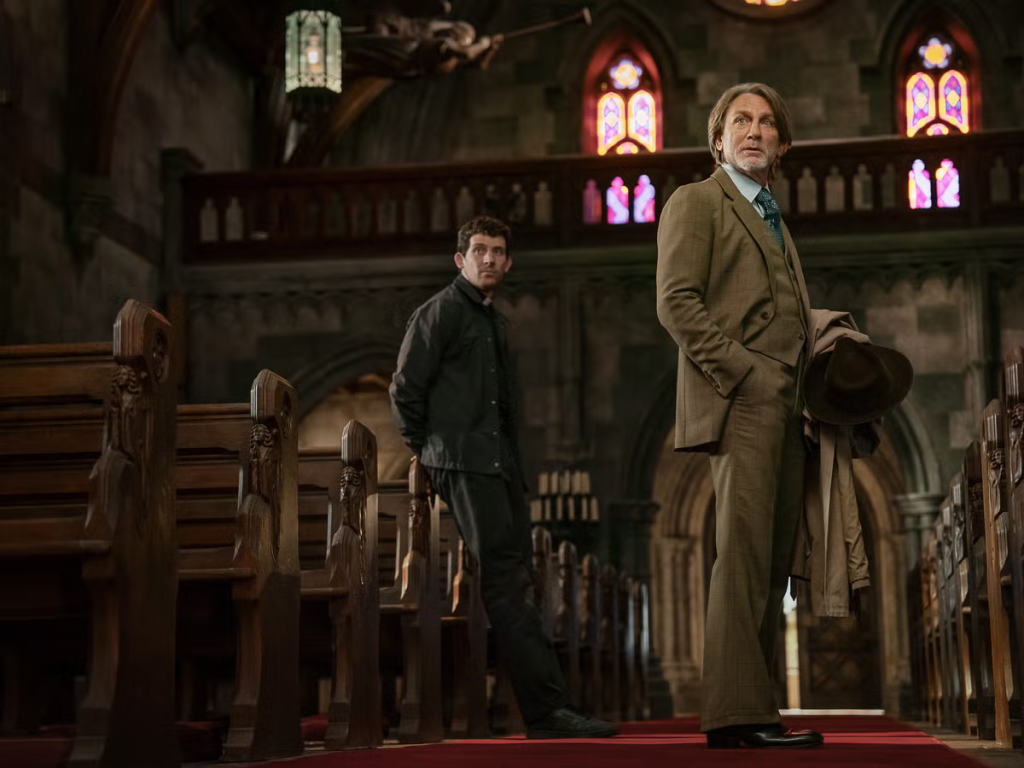
Benoit Blanc Returns – Precision Over Performance
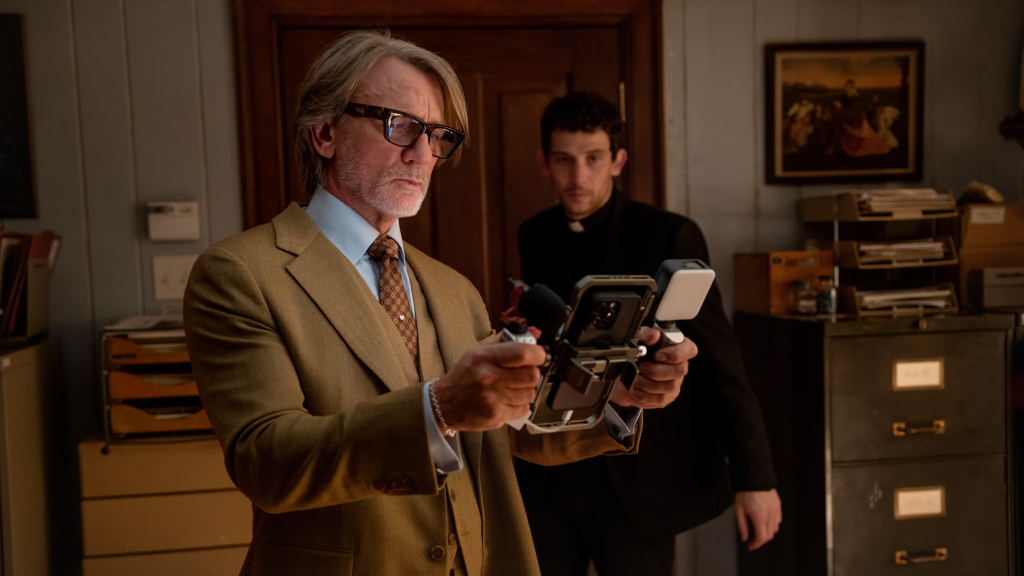
First and foremost, Daniel Craig’s Benoit Blanc returns with sharper restraint and deeper focus. Rather than dazzling suspects with theatrics, Blanc now observes quietly, allowing arrogance and fear to expose themselves.
Moreover, his methods evolve. Instead of chasing lies, he tracks who benefits from silence. Consequently, each conversation becomes a test of power rather than honesty.
Blanc doesn’t interrupt the room. He destabilizes it.
A Crime of Image – When Wealth Protects Guilt
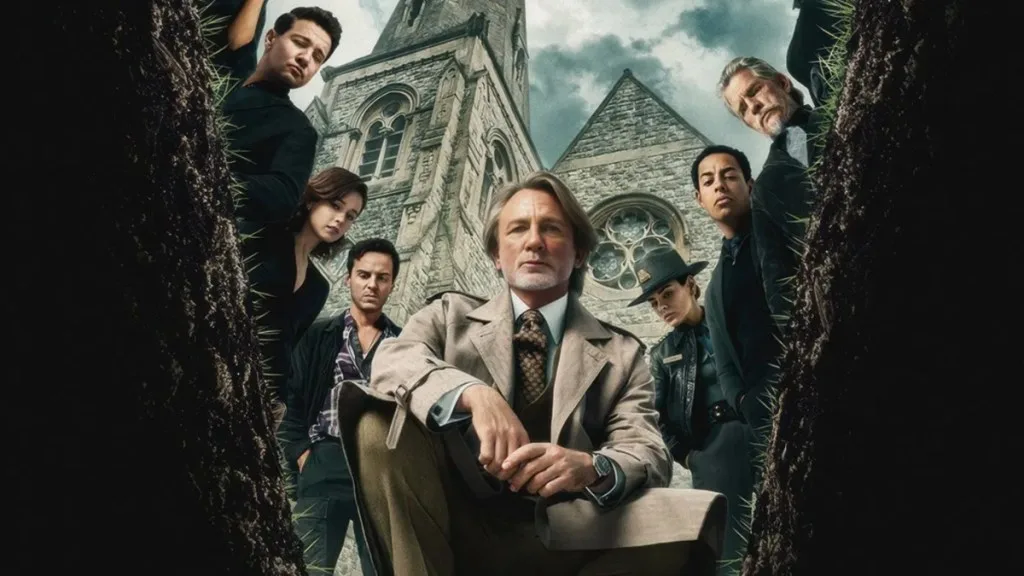
Unlike traditional murder mysteries, Paint It Black frames crime as reputation management. In this world, money doesn’t hide evidence—it repaints it.
As a result:
- Alibis are curated
- Truth is buried beneath philanthropy
- Guilt is outsourced to silence
Therefore, the black paint becomes symbolic—not of death, but of erasure. It represents what the powerful remove rather than what they confess.
Psychological Tension Over Physical Violence
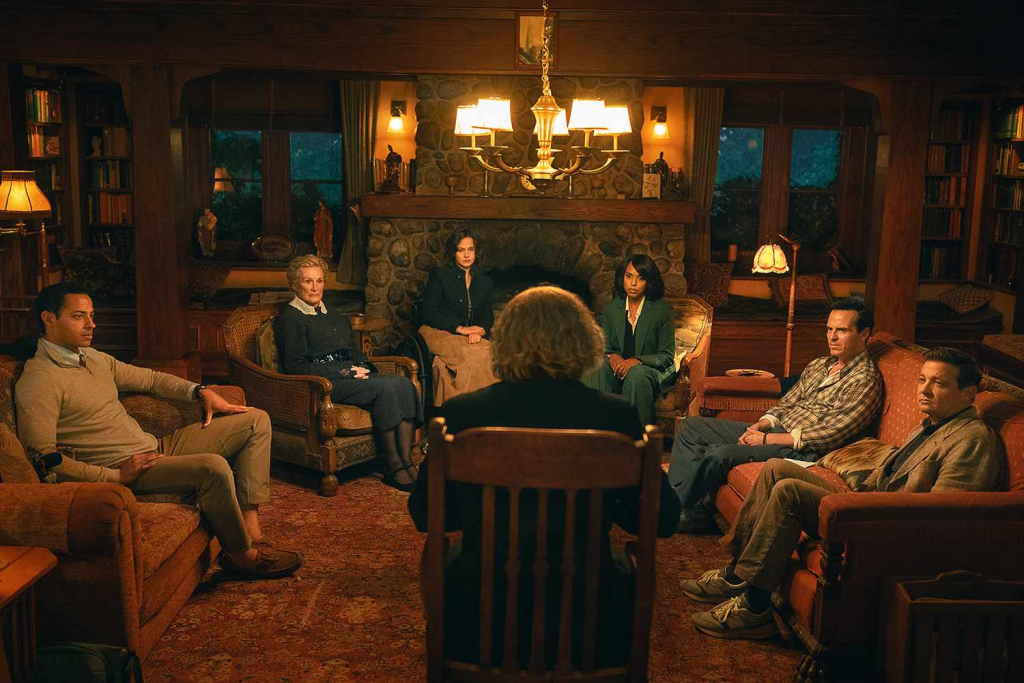
Meanwhile, the film replaces overt violence with sustained psychological pressure. Each revelation feels surgical, not explosive. Importantly, tension builds through:
- Carefully timed dialogue
- Long pauses loaded with implication
- Subtle shifts in power dynamics
Thus, suspense comes not from action—but from watching certainty collapse.
Performances Anchored in Authority and Ambiguity
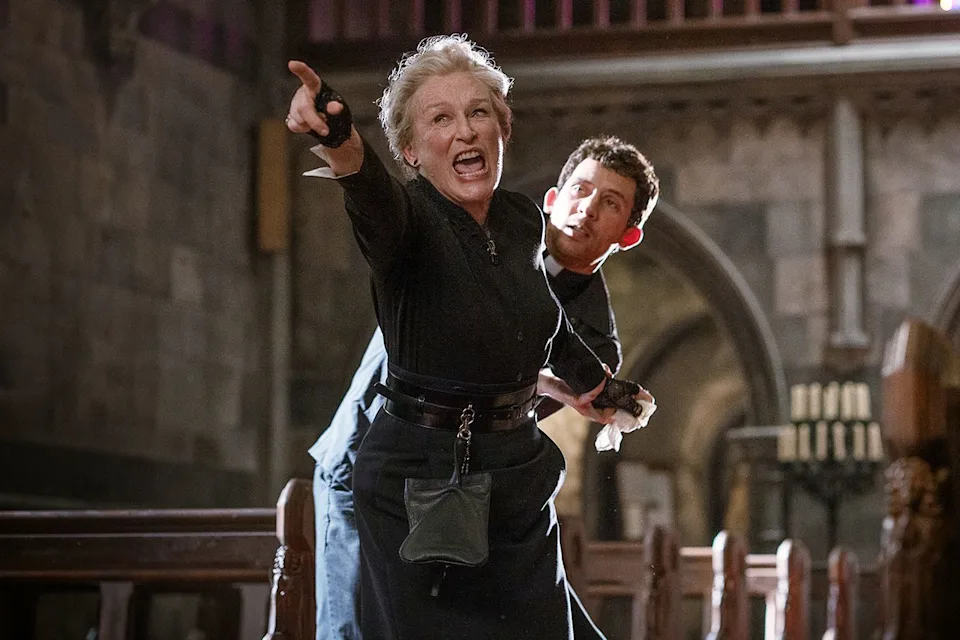
Notably, the supporting cast elevates the narrative. Glenn Close commands the screen with quiet menace, while Josh O’Connor embodies polished instability—charming, uncertain, and deeply compromised.
Together, they create an ensemble where no one feels innocent, yet everyone feels threatened. Consequently, the mystery remains unpredictable until its final unraveling.
Core Themes Driving the Film
At its heart, Knives Out 4: Paint It Black explores:
- Narrative control as power
- Wealth as insulation from consequence
- Silence as a weapon
- Truth versus perception
- Justice within corrupted systems
More importantly, the film asks: What happens when the truth exists—but no one is allowed to hear it?
Final Thoughts – A Mystery That Cuts Quietly
In conclusion, Knives Out 4: Paint It Black (2026) proves that the franchise thrives when it evolves. Rather than relying on spectacle, it leans into intellect, restraint, and moral discomfort.
Benoit Blanc doesn’t chase killers anymore. He exposes systems. And in doing so, the film delivers its most unsettling mystery yet.
⭐ Final Rating & Verdict
Rating: 4.7 / 5
Knives Out 4: Paint It Black is intellectually rich, tightly written, and relentlessly precise. With sharp performances and a chilling exploration of narrative power, the film stands as one of the franchise’s most mature and thought-provoking entries.
For mystery fans, it’s essential viewing. For the genre itself, it raises the bar.