
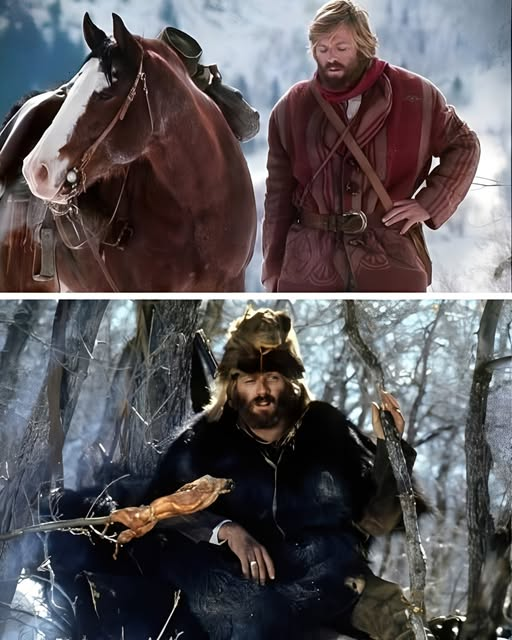
When Robert Redford agreed to play the mountain man in Jeremiah Johnson (1972), he wasn’t looking for just another Hollywood role. He wanted something raw, authentic, and deeply connected to the wilderness. The film, directed by his frequent collaborator Sydney Pollack, told the story of a disillusioned man who abandons civilization to carve out a life in the unforgiving Rocky Mountains. For Redford, it was more than a performance—it was a chance to embody a philosophy of self-reliance and communion with nature.
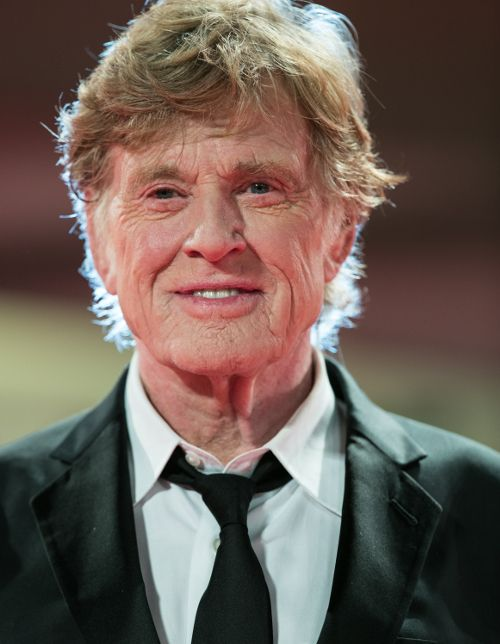
Filming took place in the rugged mountains of Utah, far removed from studio comfort. Redford committed himself fully to the role, chopping wood, fishing icy streams, riding horses, and braving the elements without stunt doubles. The isolation and harsh conditions blurred the line between actor and character, giving the film its visceral realism. Redford wasn’t acting like a mountain man—he was living as one, if only for the duration of the shoot.
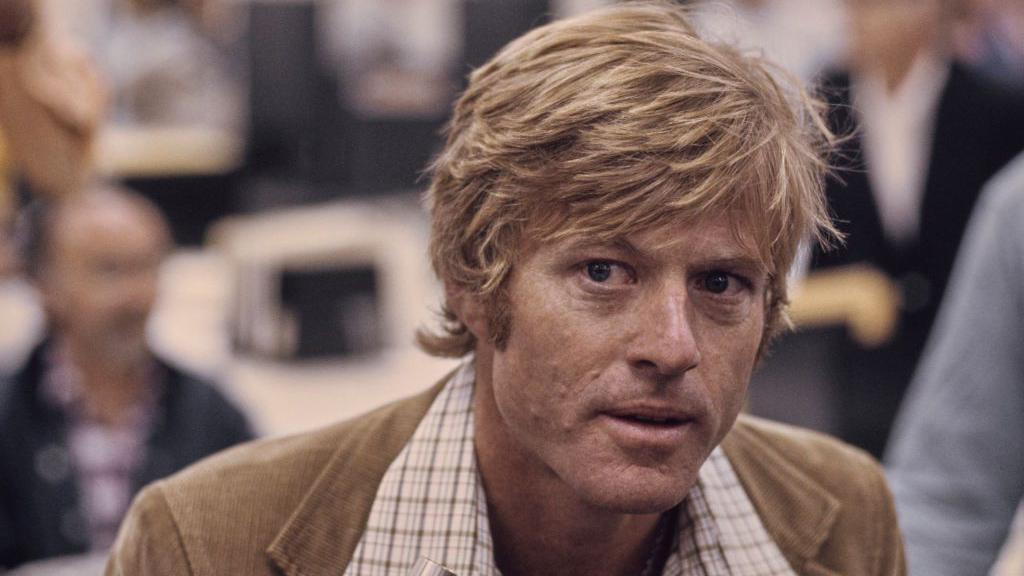
One of the film’s most unforgettable moments came when Johnson pushes his horse through deep snow during a sudden storm. The crew considered shutting down production, but Redford convinced Pollack to keep rolling. “This is what the West really felt like,” he urged. That unscripted authenticity became the hallmark of the movie, capturing not just a performance but the spirit of survival against nature’s indifference.
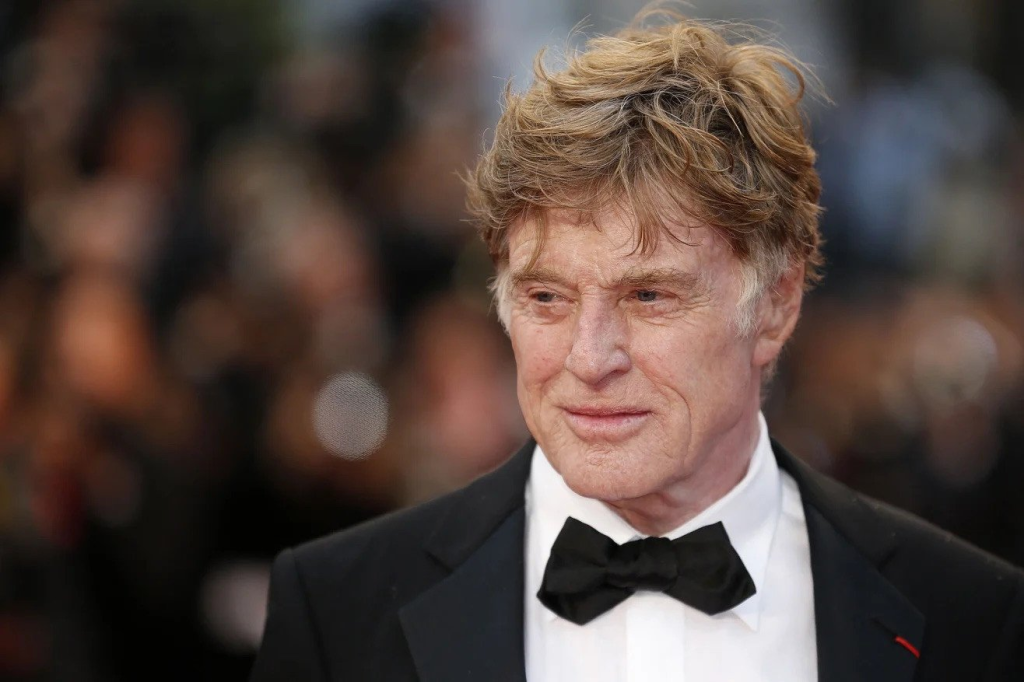
Even off-camera, Redford carried the film with him. The log cabin Johnson builds on-screen was later dismantled and rebuilt on Redford’s own Utah property. It would eventually become one of the first structures at Sundance, the land that grew into his famous film institute and festival. What began as a prop for a frontier survival story turned into the cornerstone of Redford’s lifelong dedication to art, nature, and independent filmmaking.
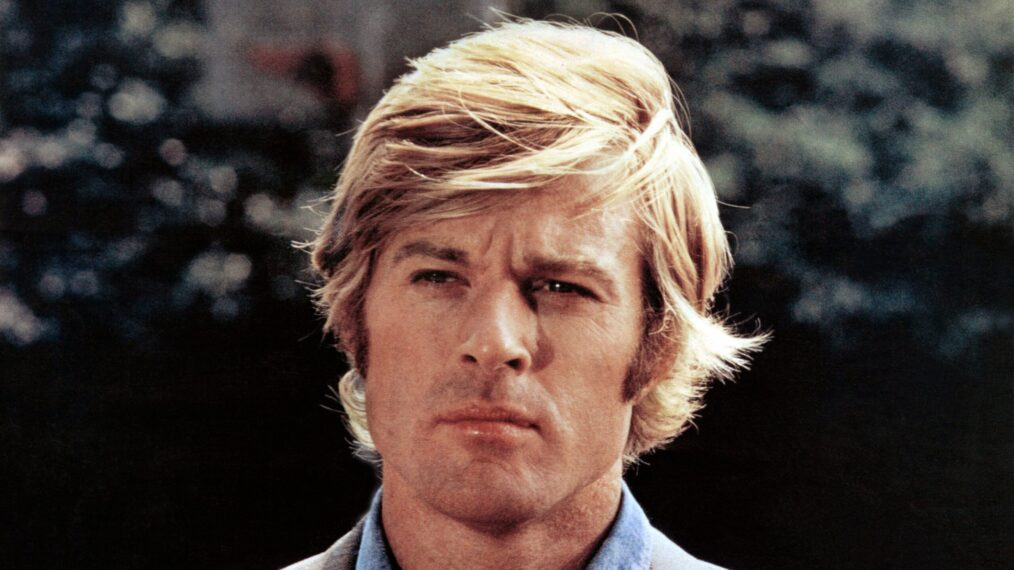
Thematically, Jeremiah Johnson was ahead of its time. Released during the Vietnam War era, it resonated with audiences searching for meaning in solitude, simplicity, and resistance to modern chaos. The character of Johnson, scarred by violence yet seeking peace, mirrored the turbulence of the early 1970s. Redford’s portrayal struck a chord not only as a Western hero but as a man in exile from society’s corruption.
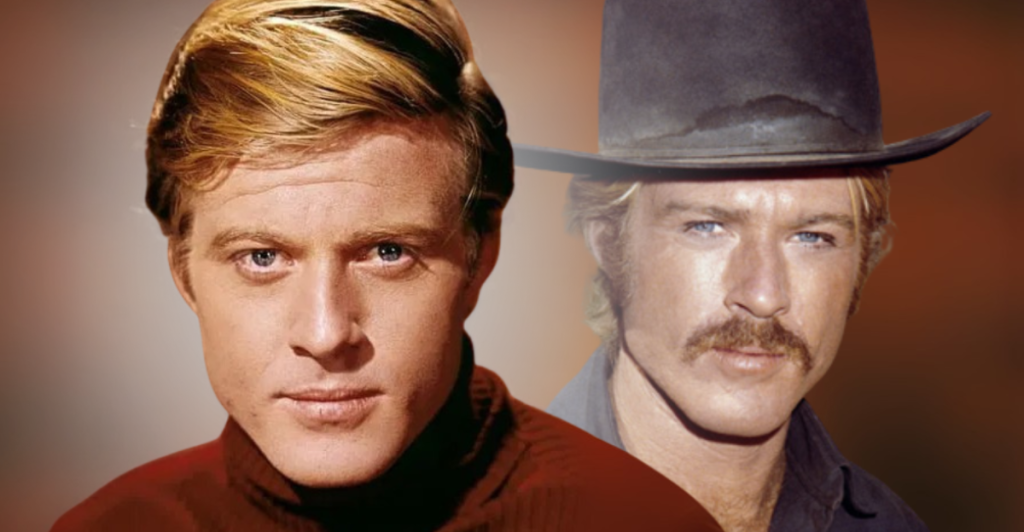
For Redford personally, the experience deepened his connection to the land. Long before he became known as an environmental activist, Jeremiah Johnson reflected his desire to protect wilderness and preserve open spaces. His later efforts with Sundance, his conservation work, and his advocacy for sustainable filmmaking all trace back to this period of his life, when art and lifestyle became inseparable.
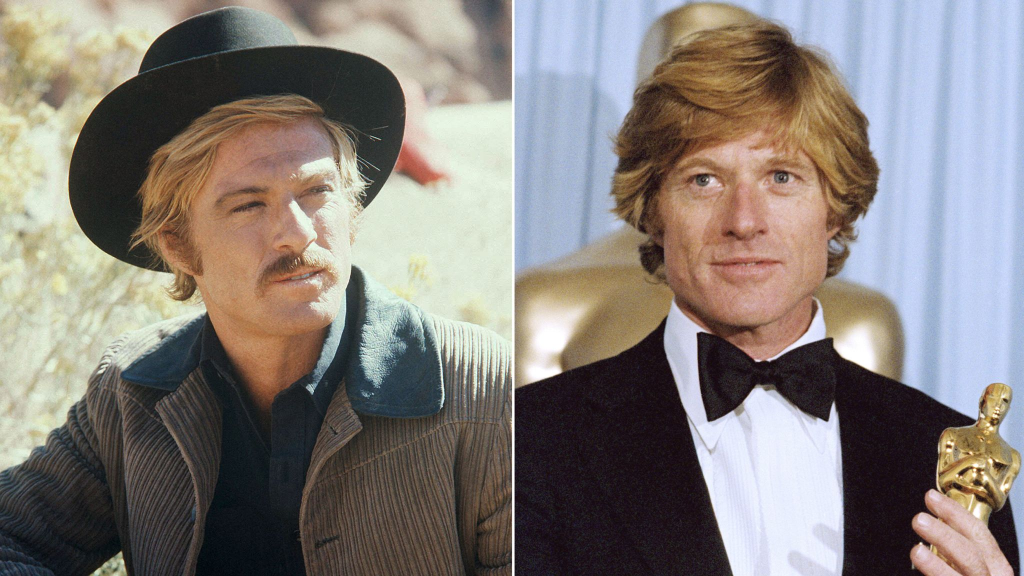
Today, Jeremiah Johnson stands as more than a classic Western—it is a testament to Redford’s vision as both an actor and a man. By demanding authenticity, embracing hardship, and carrying the lessons of the film into his real life, he transformed a survival story into a legacy. The mountains of Utah shaped not only Jeremiah Johnson, but Robert Redford himself, leaving a mark that still echoes in his career, his activism, and the enduring myth of the American West.